Komodo, between boat, dragon and seabed

Article

Komodo, between boat, dragon and seabed

It was in Labuan Bajo, a small port town on the island of Flores and gateway to the Komodo National Park, that our adventure continued.

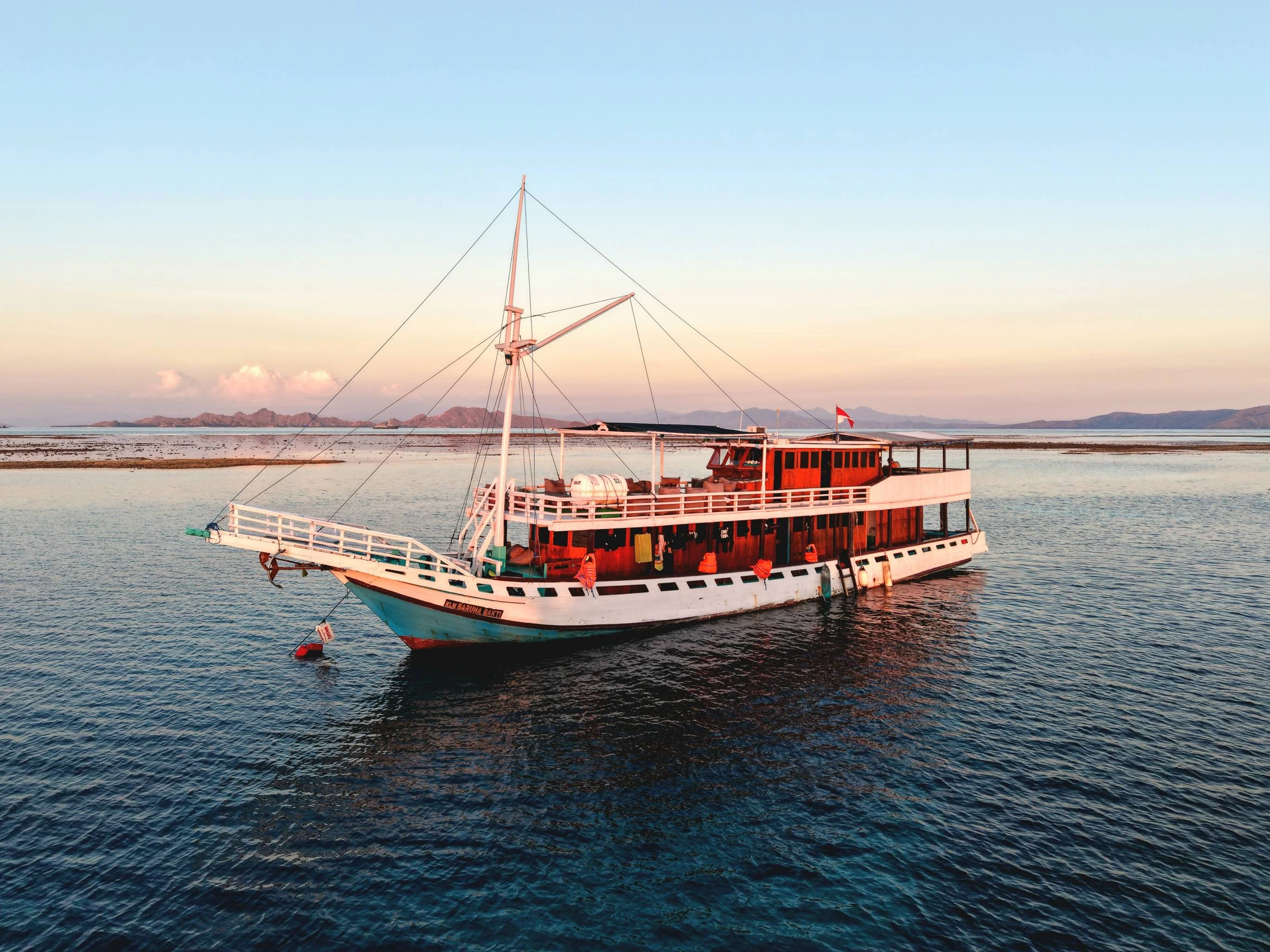
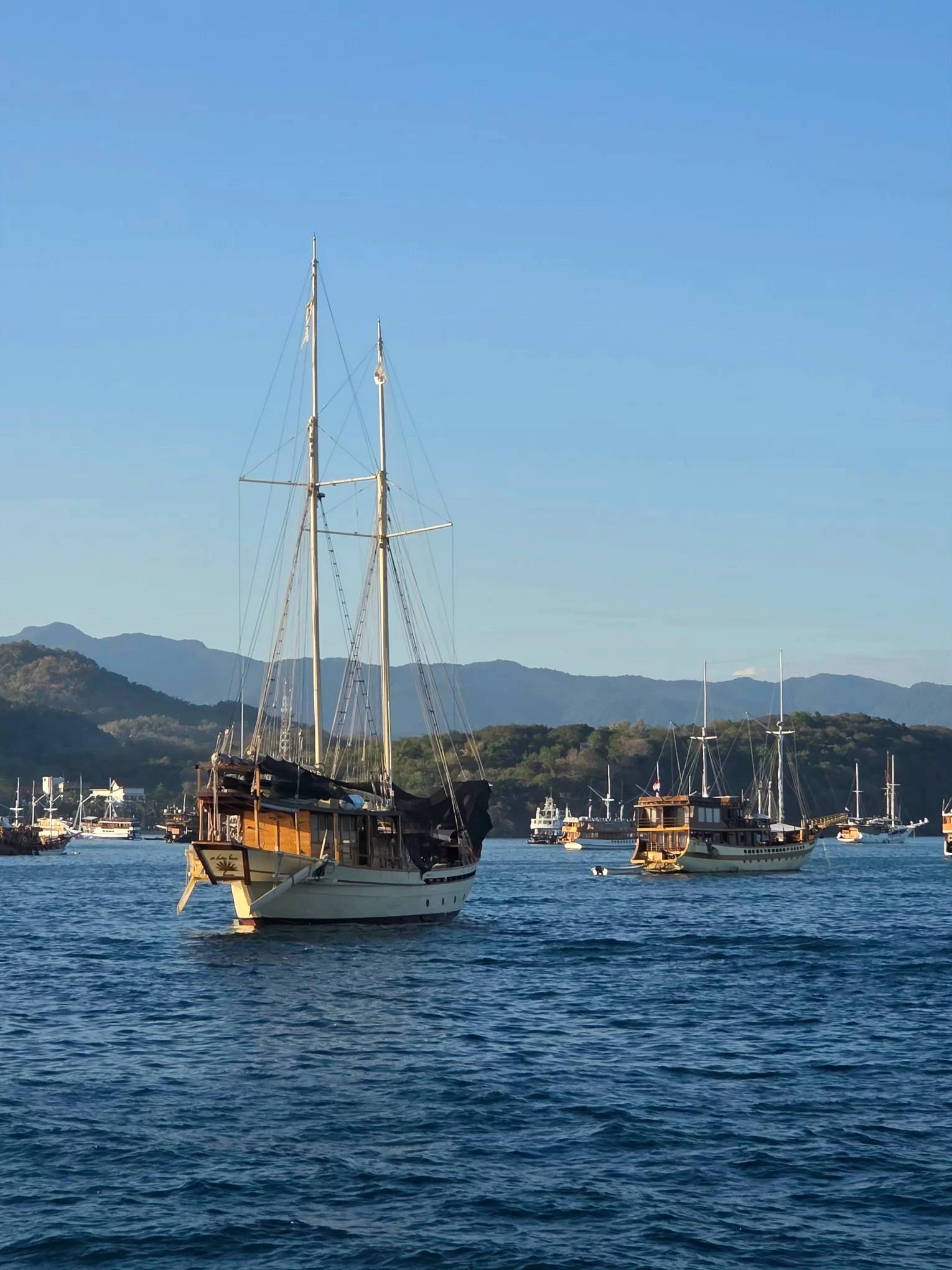
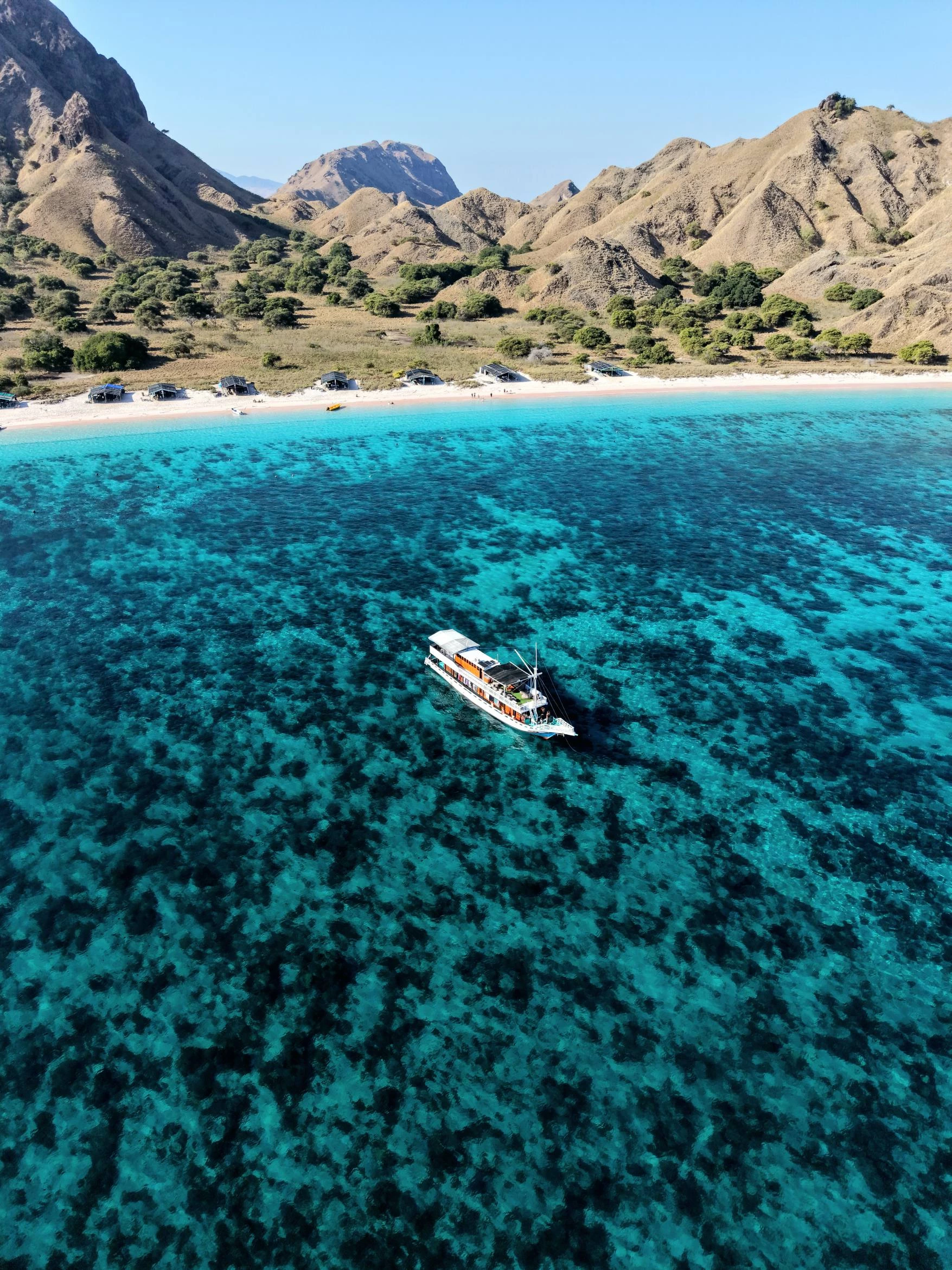
We started with a three-day liveaboard to explore the park along the water. From the first evening, the spectacle was already incredible: at sunset, thousands of bats left the mangroves to take flight. Seeing all these silhouettes crossing the sky at the same time was quite a magical moment.

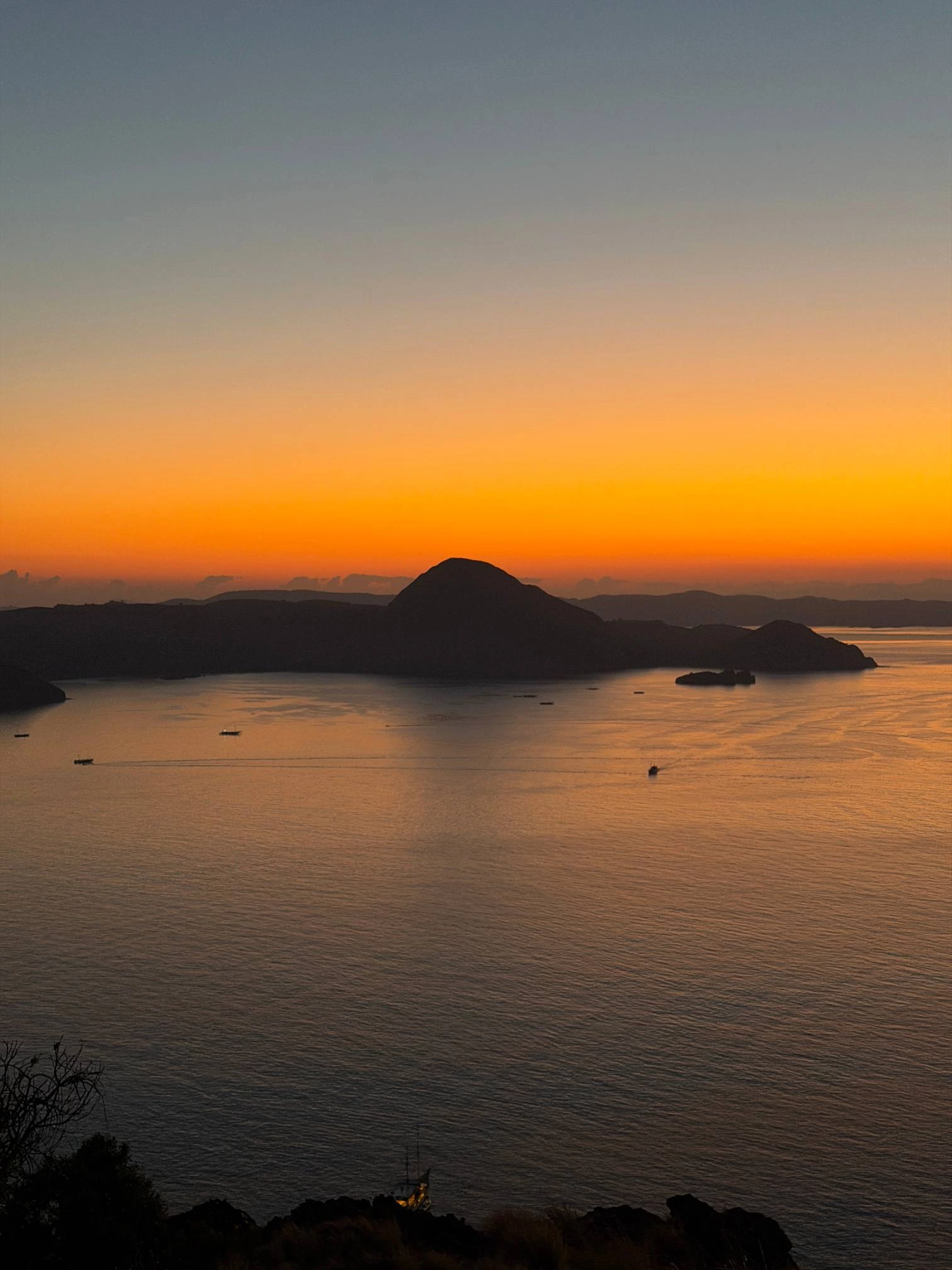
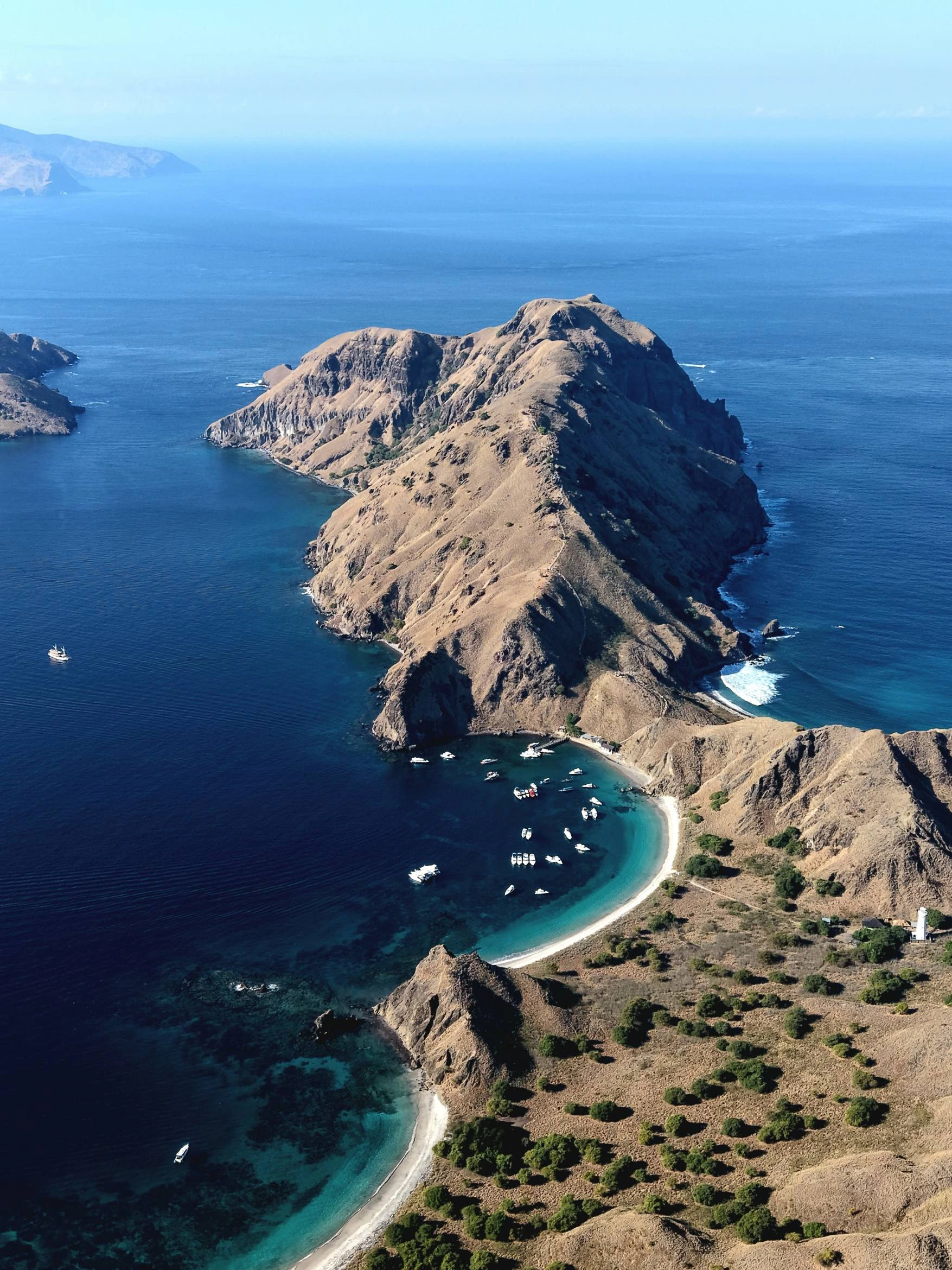
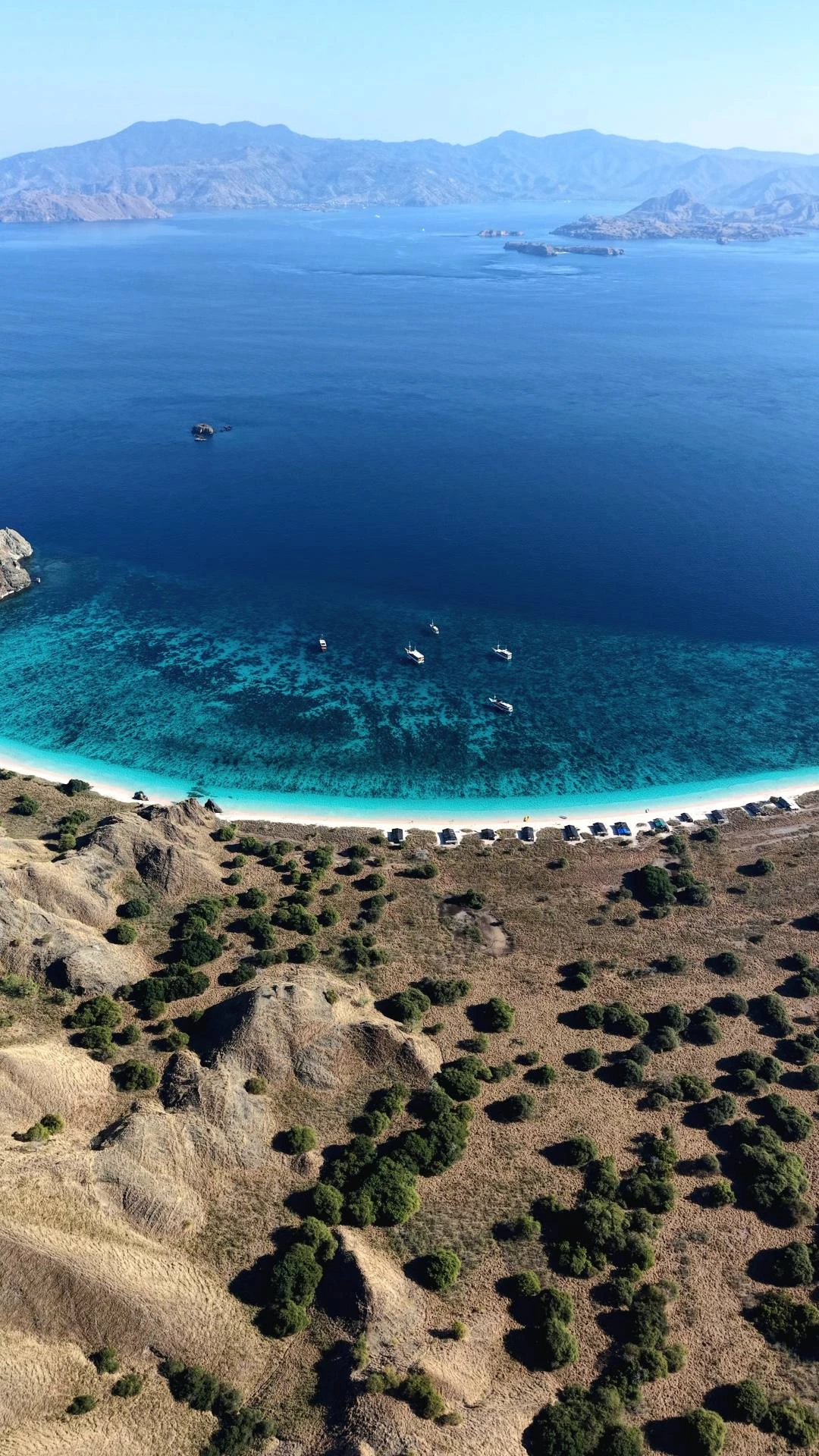
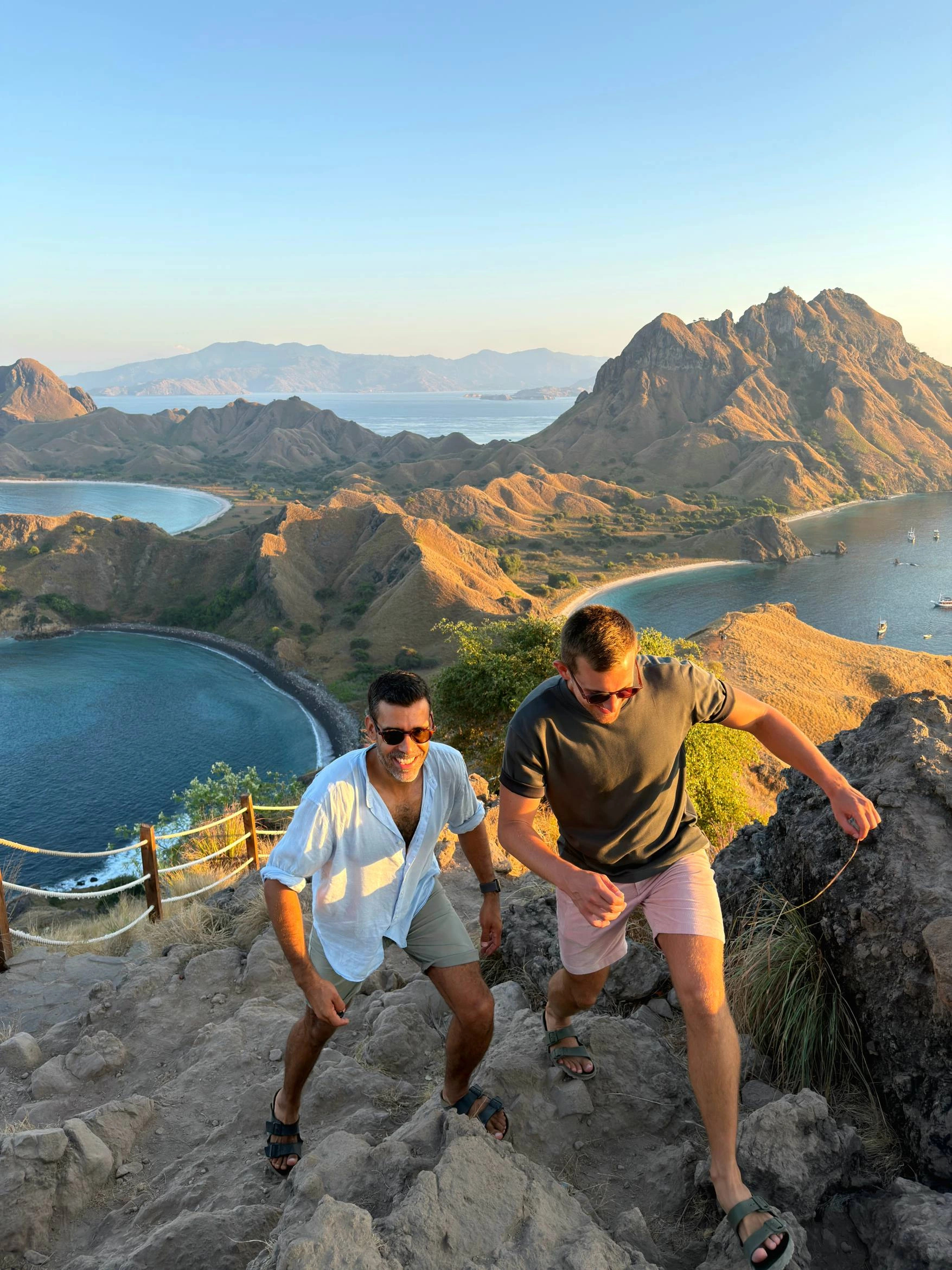
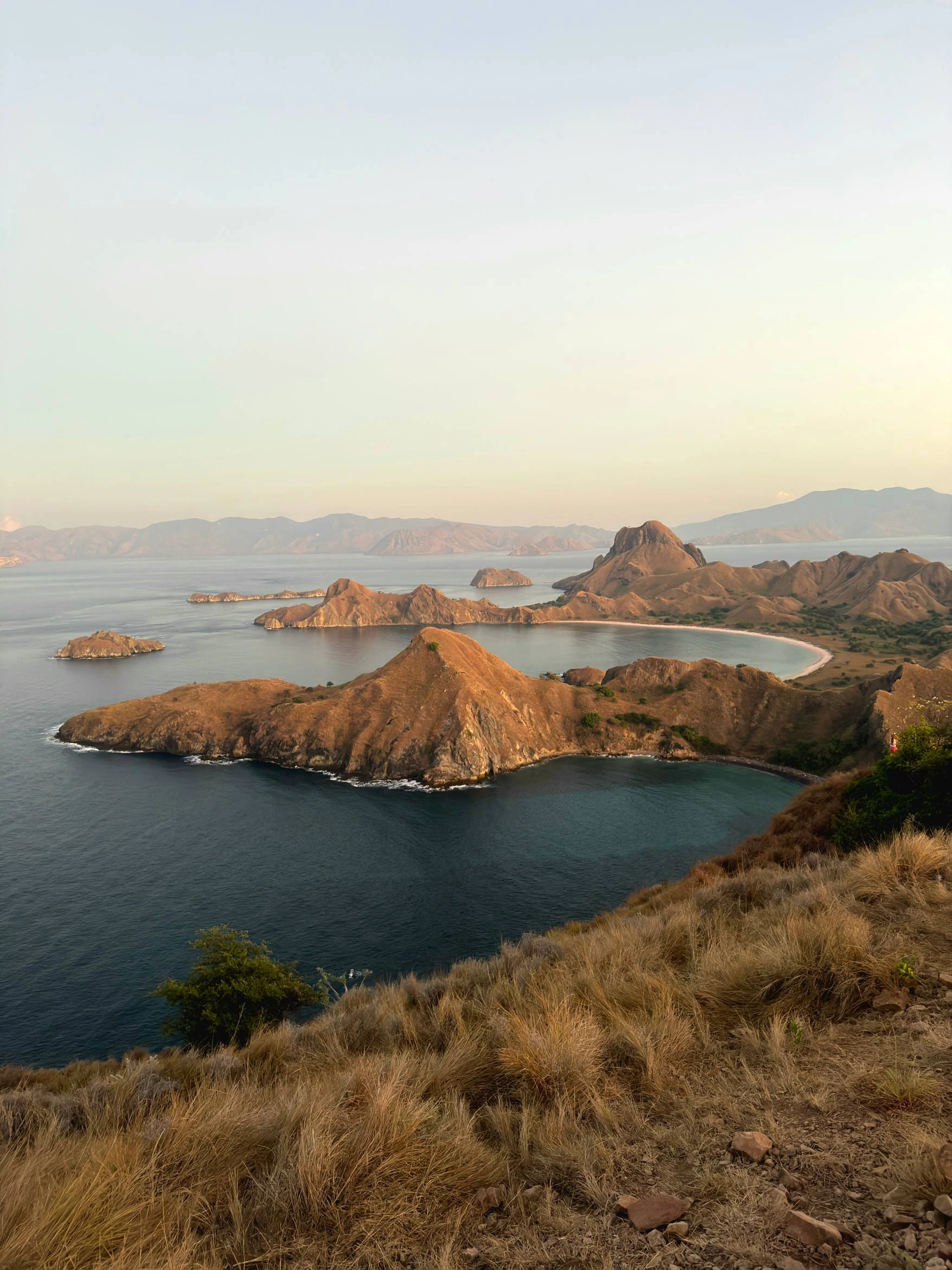
The next day, wake up at 4 a.m. to reach Padar Island before sunrise. After a short hike, we discovered one of the most famous panoramas in Indonesia, with its three bays surrounded by barren hills. The place is magnificent, although its popularity inevitably attracts many visitors. Fortunately, the island is large enough to be able to get away and fully enjoy the scenery.

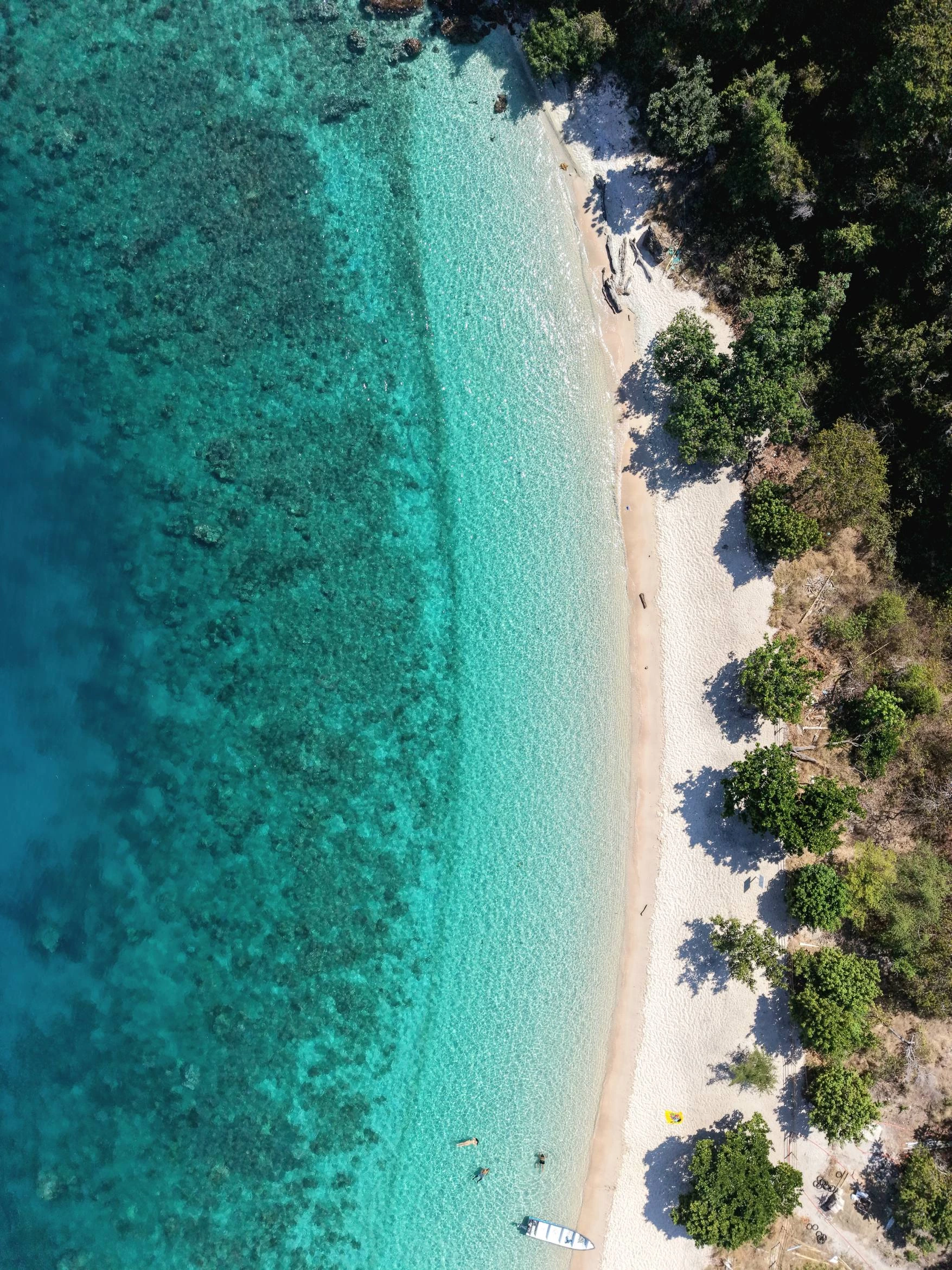
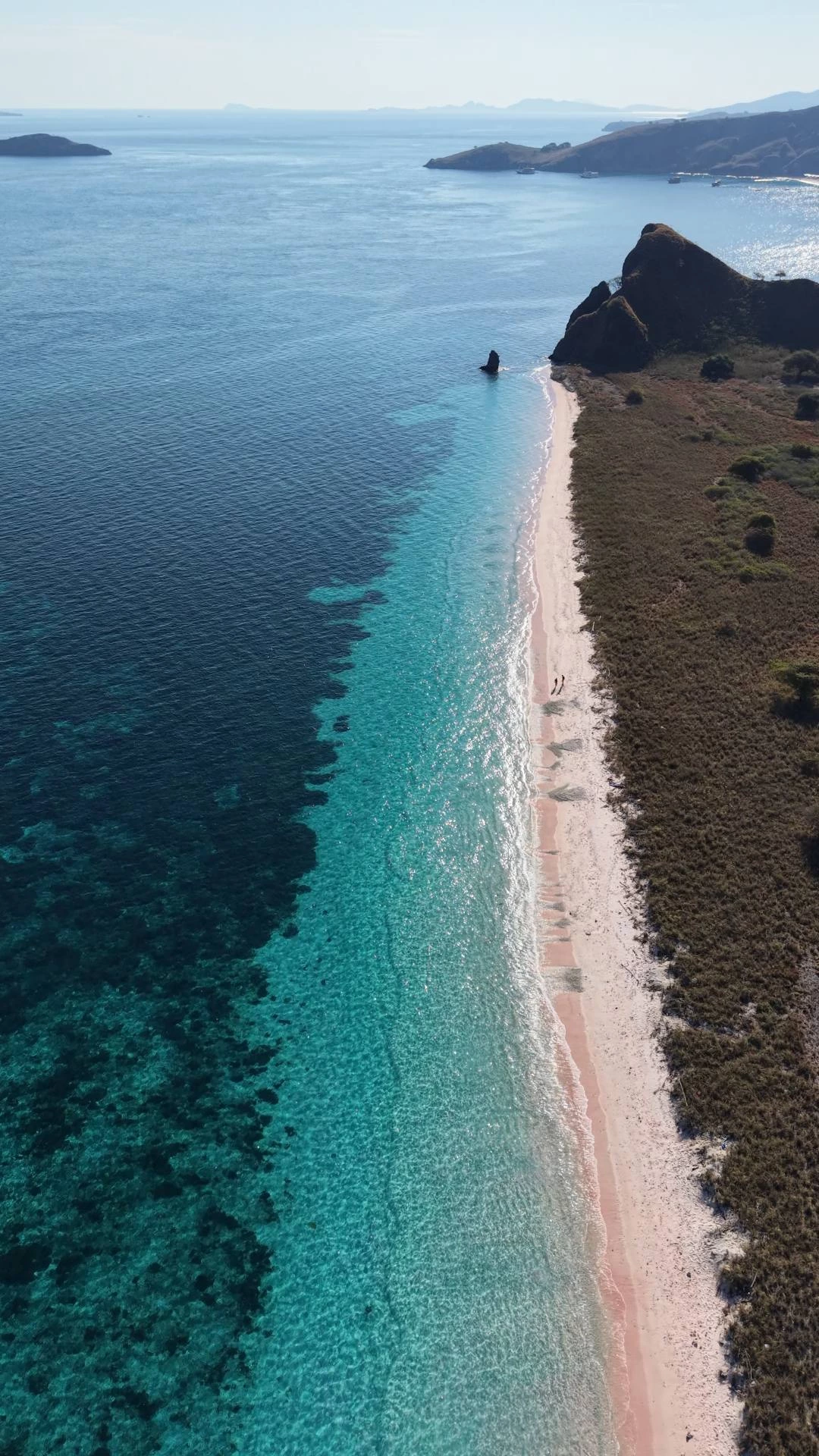
We then discovered Pink Beach, recognizable by its pink hue created by tiny red fragments coming from corals mixed with white sand.

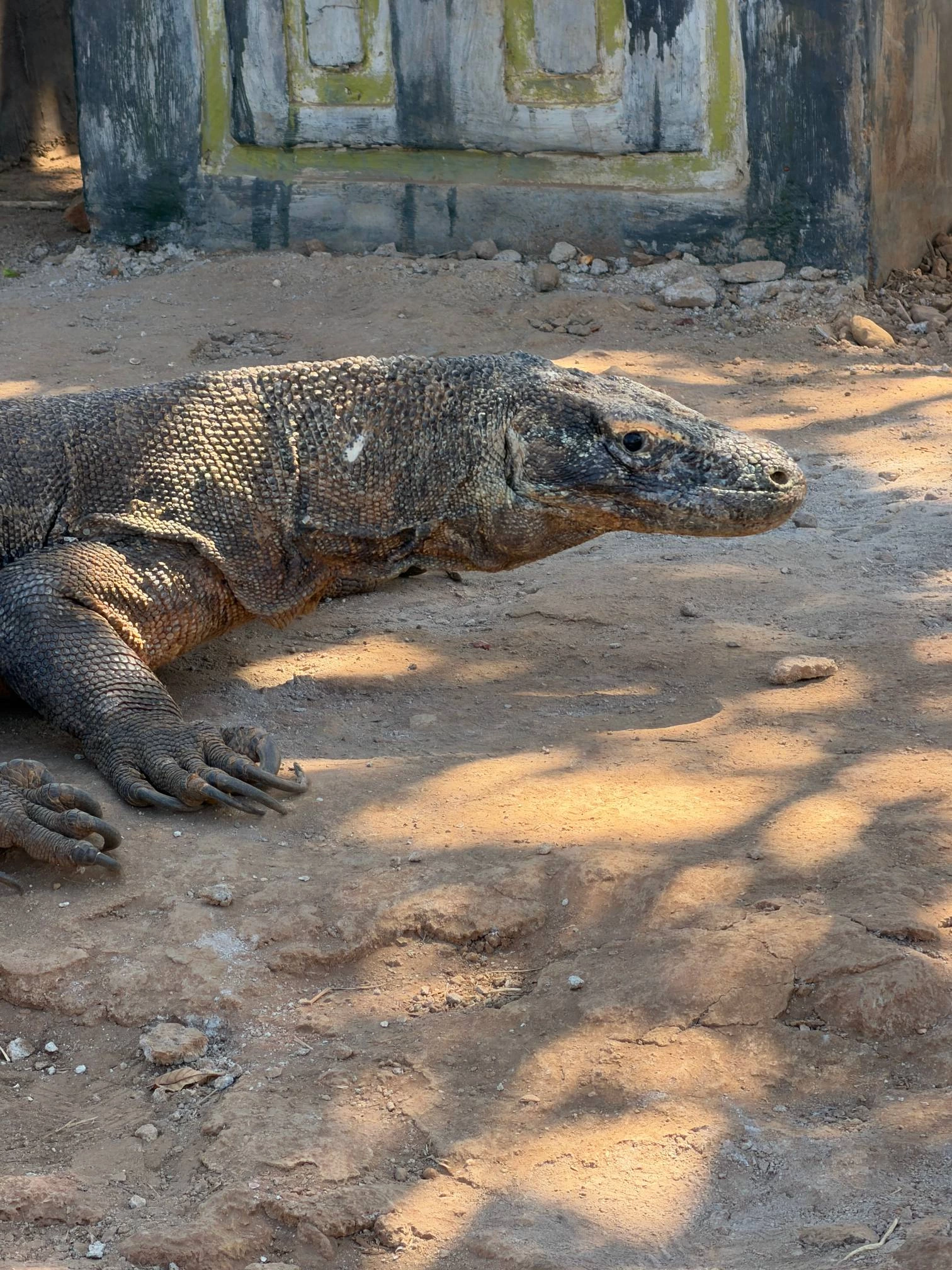
The day continued with the famous Komodo dragons. Observing them up close was necessarily special: these immense lizards, which can exceed three meters, only live naturally in this region of the world. On the other hand, the visit left us a little mixed. The hike, announced as lasting two hours, was actually quite short, with a lot of time devoted to explanations and photos. We felt more like an organized meeting than a real wild exploration. An interesting experience to do once, but one that we probably wouldn't do again.

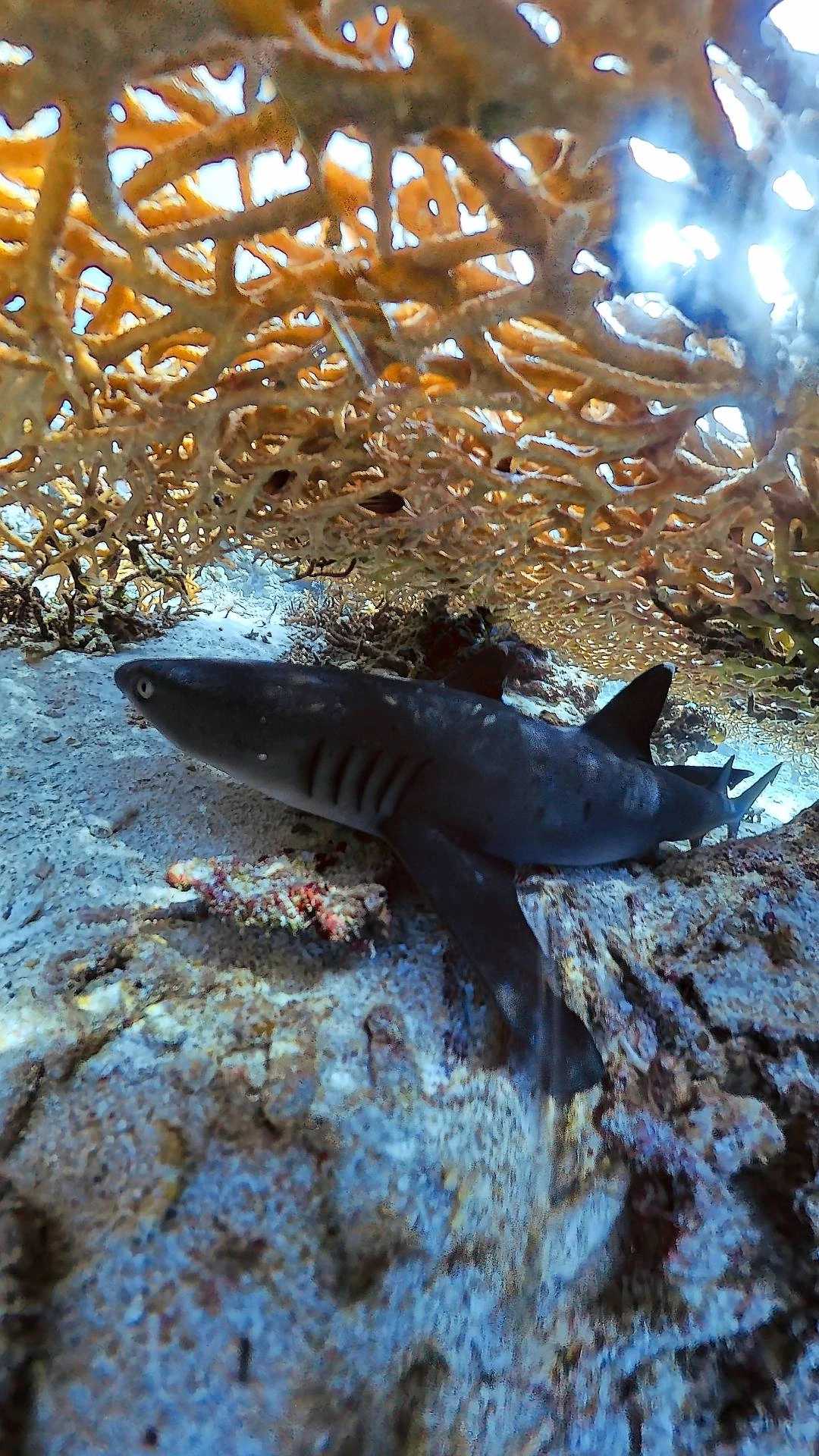
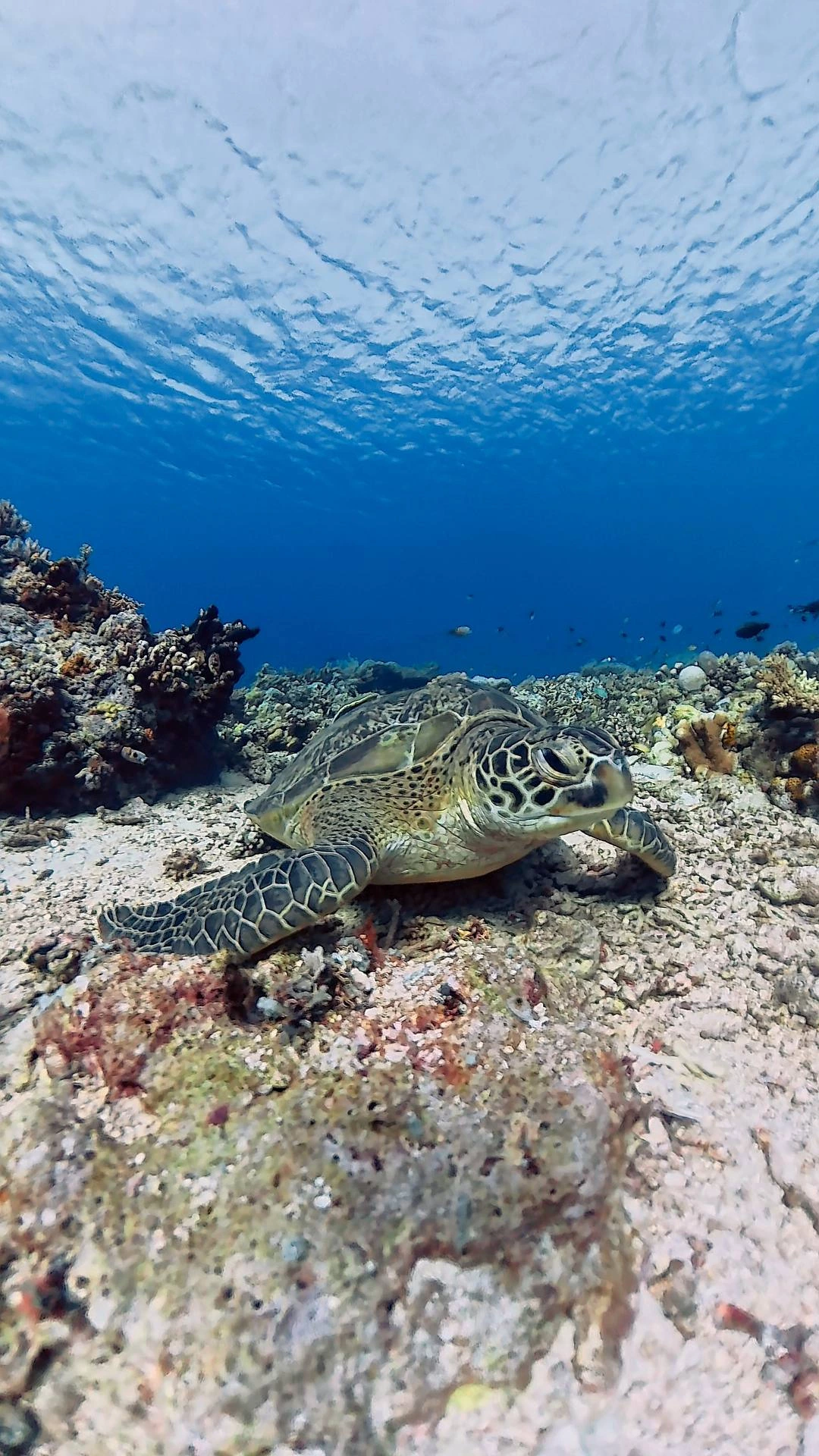
We also snorkeled at Manta Point. Despite its name, we didn't see any mantas this time, but the spectacle was incredible: thousands of fish, turtles, sharks and this sensation of evolving in the middle of a huge natural aquarium.

But beyond the landscapes and animals, it is also the encounters that marked this stage. We shared the adventure with several travellers, including a group of South Africans with whom we had a great time.

Our best encounter remains this Indonesian mother in her fifties, who came to travel with her daughter in her country of origin. Now based in the Netherlands, she immediately touched us with her humor, her open-mindedness and her kindness. In a few hours, she had become our travel mom.

Little anecdote: it was the first time we did a liveaboard, mainly because Séb had always been seasick. But after all the boat trips we did in the Philippines, it seems that he is now immune.

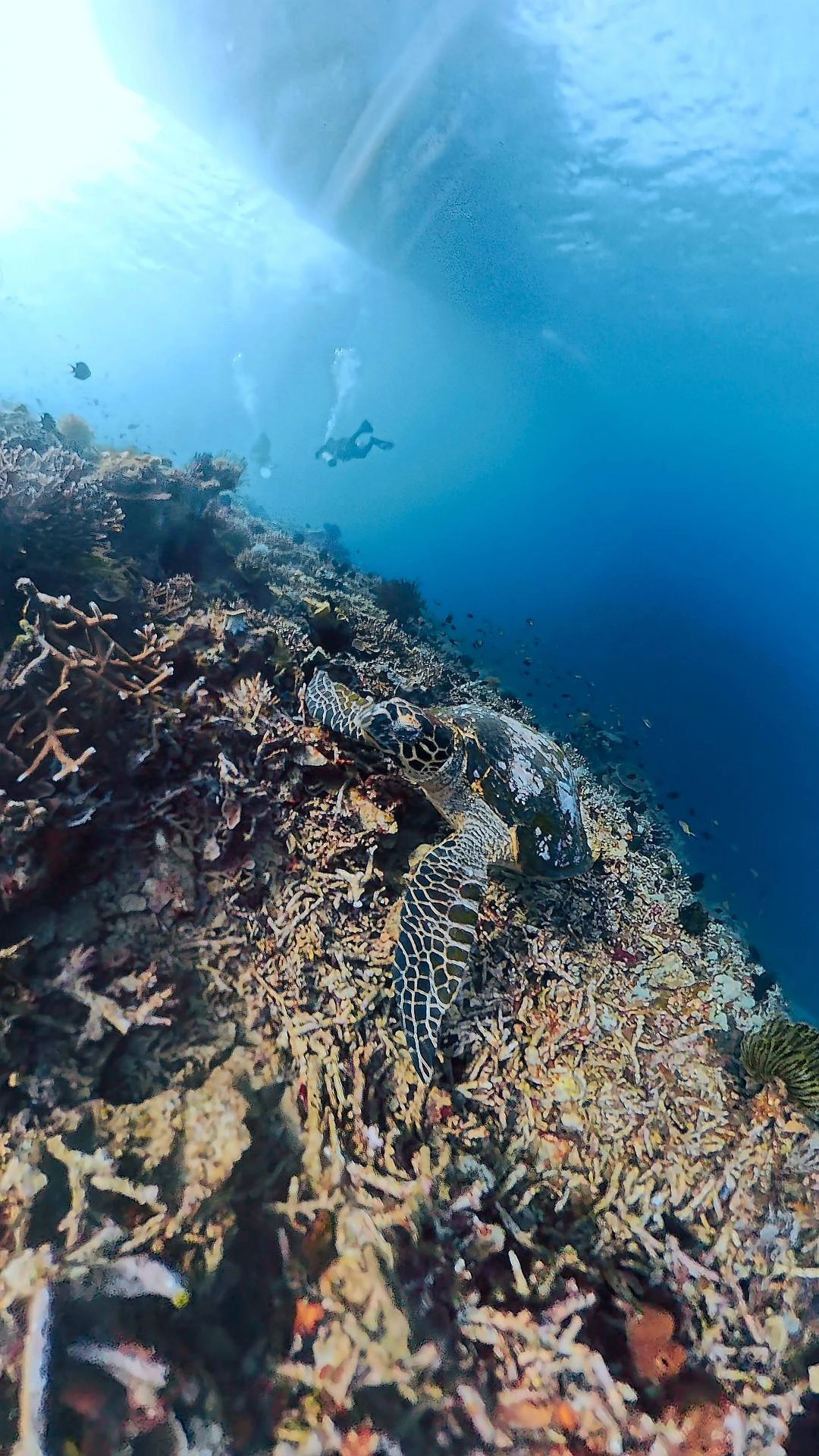
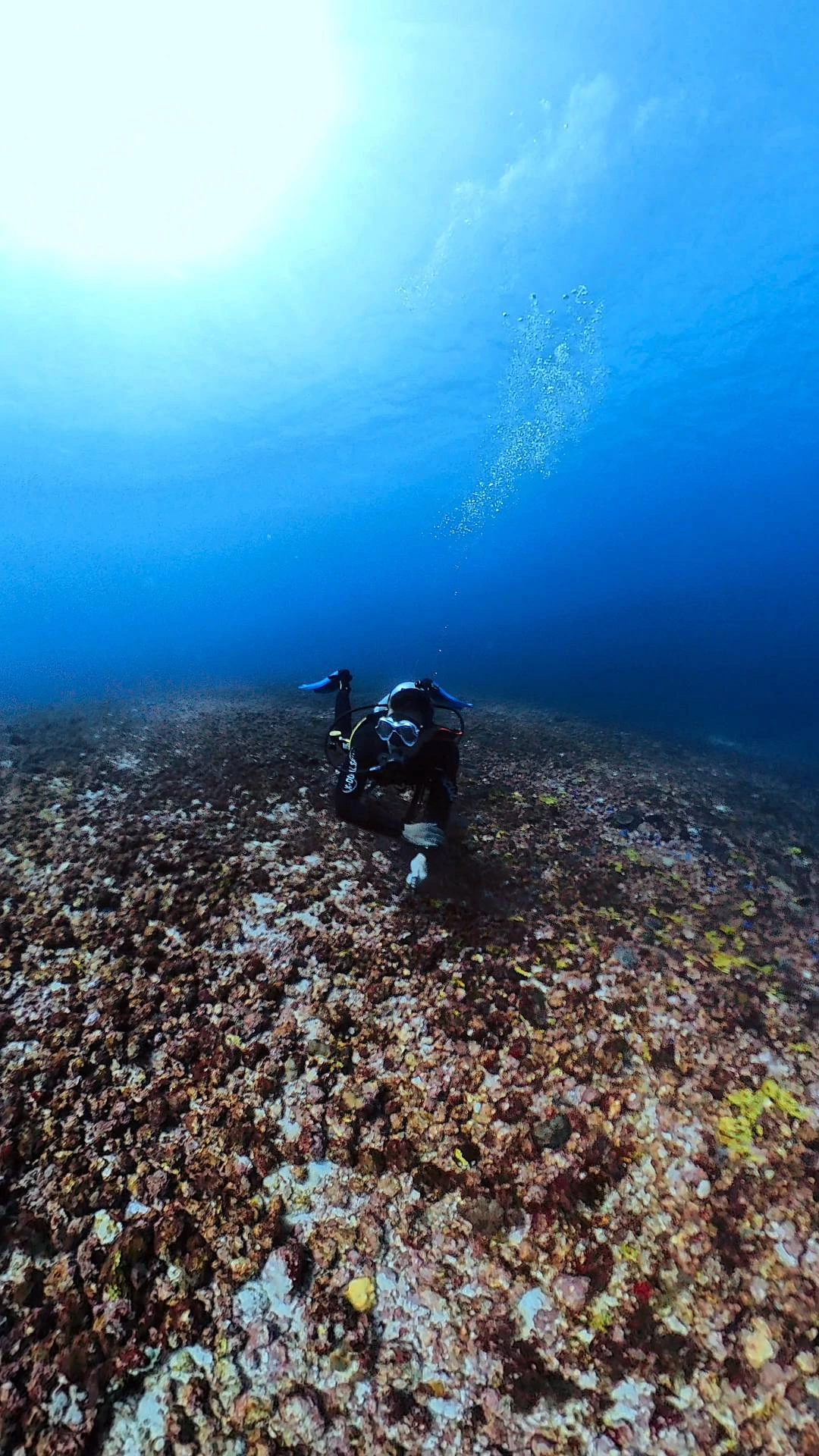
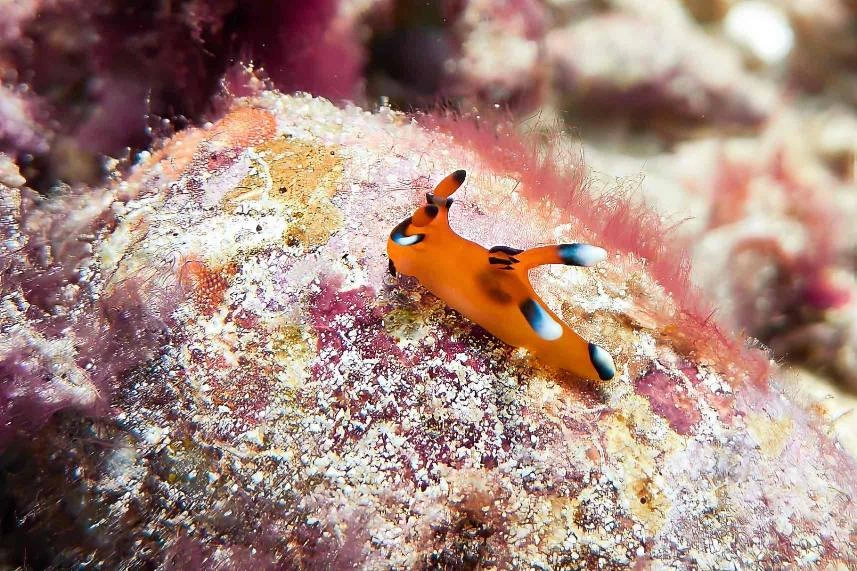
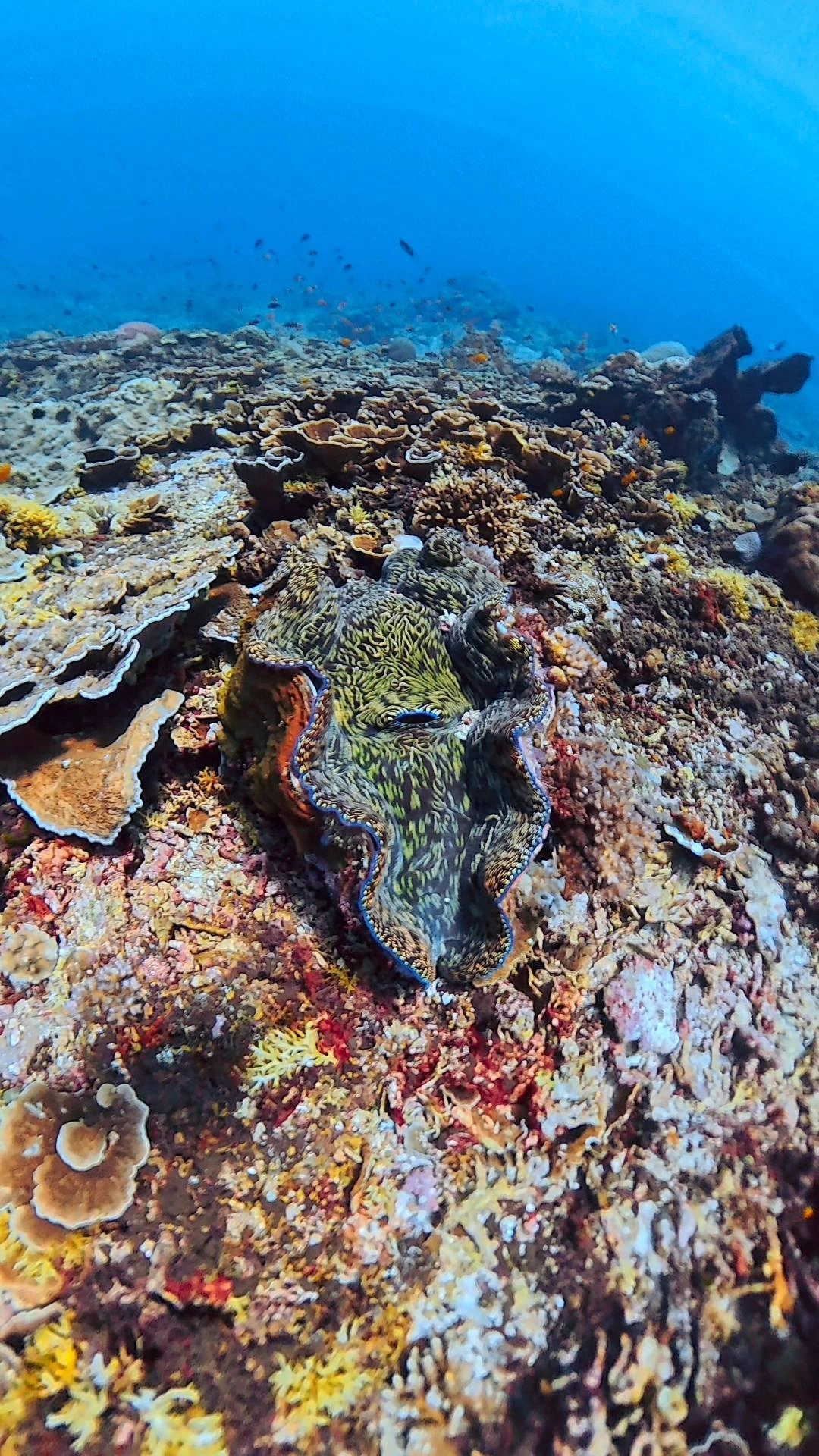
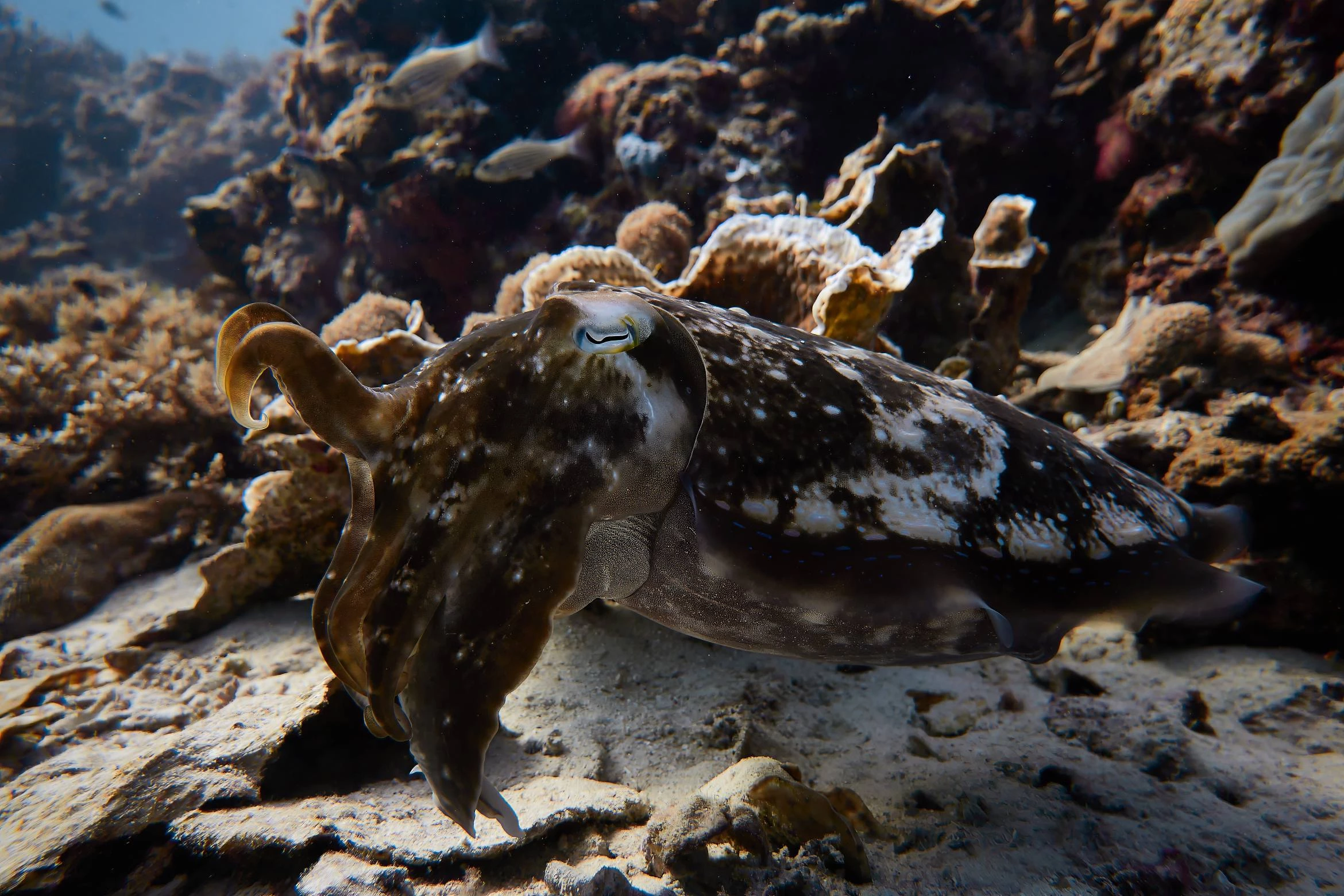
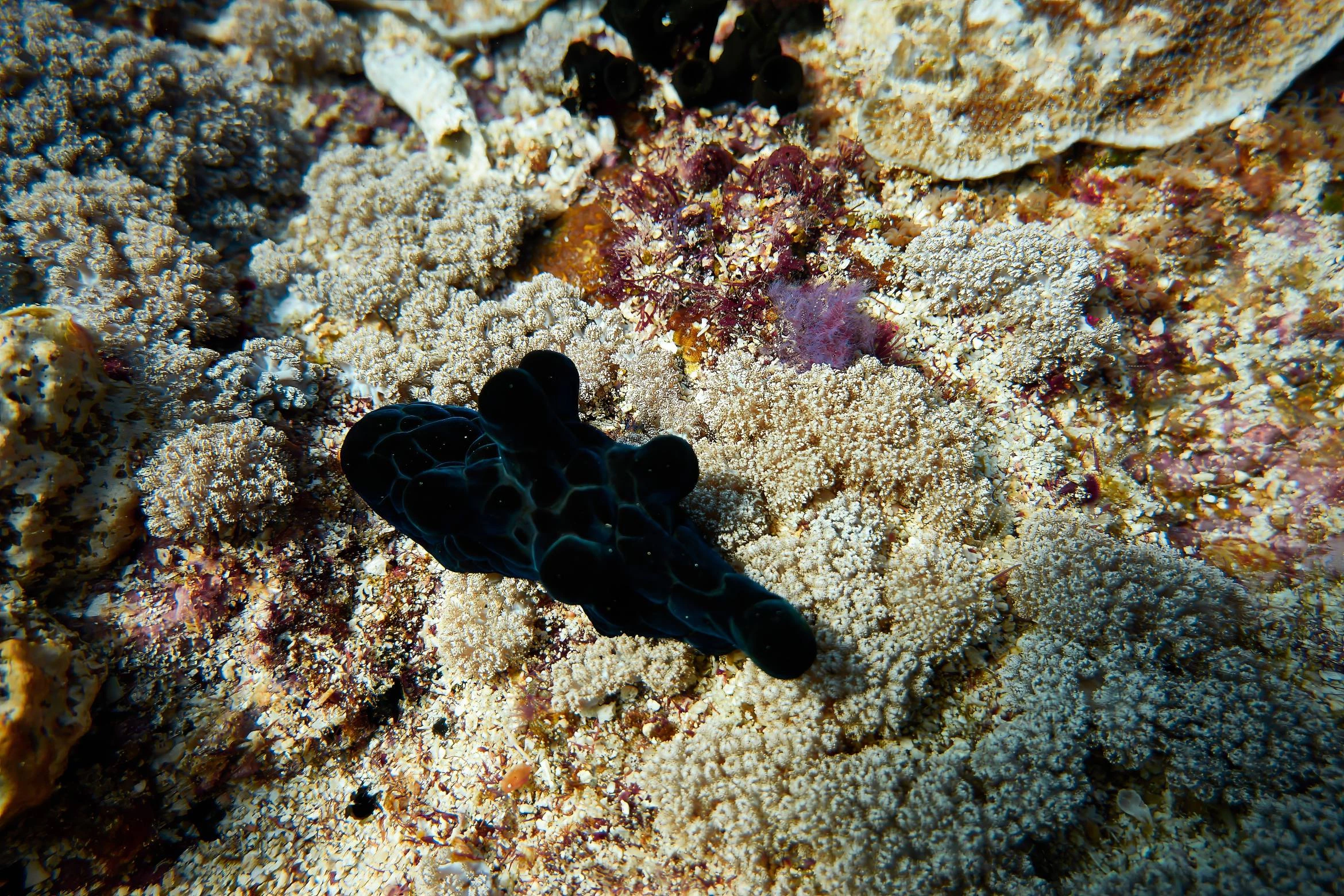
After this break on the water, we finished our discovery of Komodo with several dives around the park. And here again, the place impressed us: numerous mantas, sharks, turtles, colorful reefs and exceptional underwater life. The currents, sometimes powerful, make the dives even richer and attract incredible marine diversity.

Komodo was a mix of incredible landscapes, exceptional marine life and above all great encounters. A unique stopover, with its perfect moments and its small disappointments, but which will inevitably remain among the great memories of our trip.
Discover our recommendations4
Nature & parks🇮🇩 Komodo, Indonesia
Less open context

A place we recommend in a context where some discretion may feel preferable. This does not mean the venue is discriminatory.

Padar Island

Located in Indonesia’s Komodo National Park, Padar Island is known for its sweeping view over three bays divided by steep hills. Reached only by boat, the island offers several viewpoints after a climb of around 20 minutes. From above, the rugged ridges, differently coloured beaches and surrounding sea create an unforgettable landscape.

Read the full recommendation
Padar Island, Komodo National Park, East Nusa Tenggara, Indonesia
Read the related article
Activities🇮🇩 Labuan Bajo, Indonesia
Less open context

A place we recommend in a context where some discretion may feel preferable. This does not mean the venue is discriminatory.

Komodo National Park Liveaboard

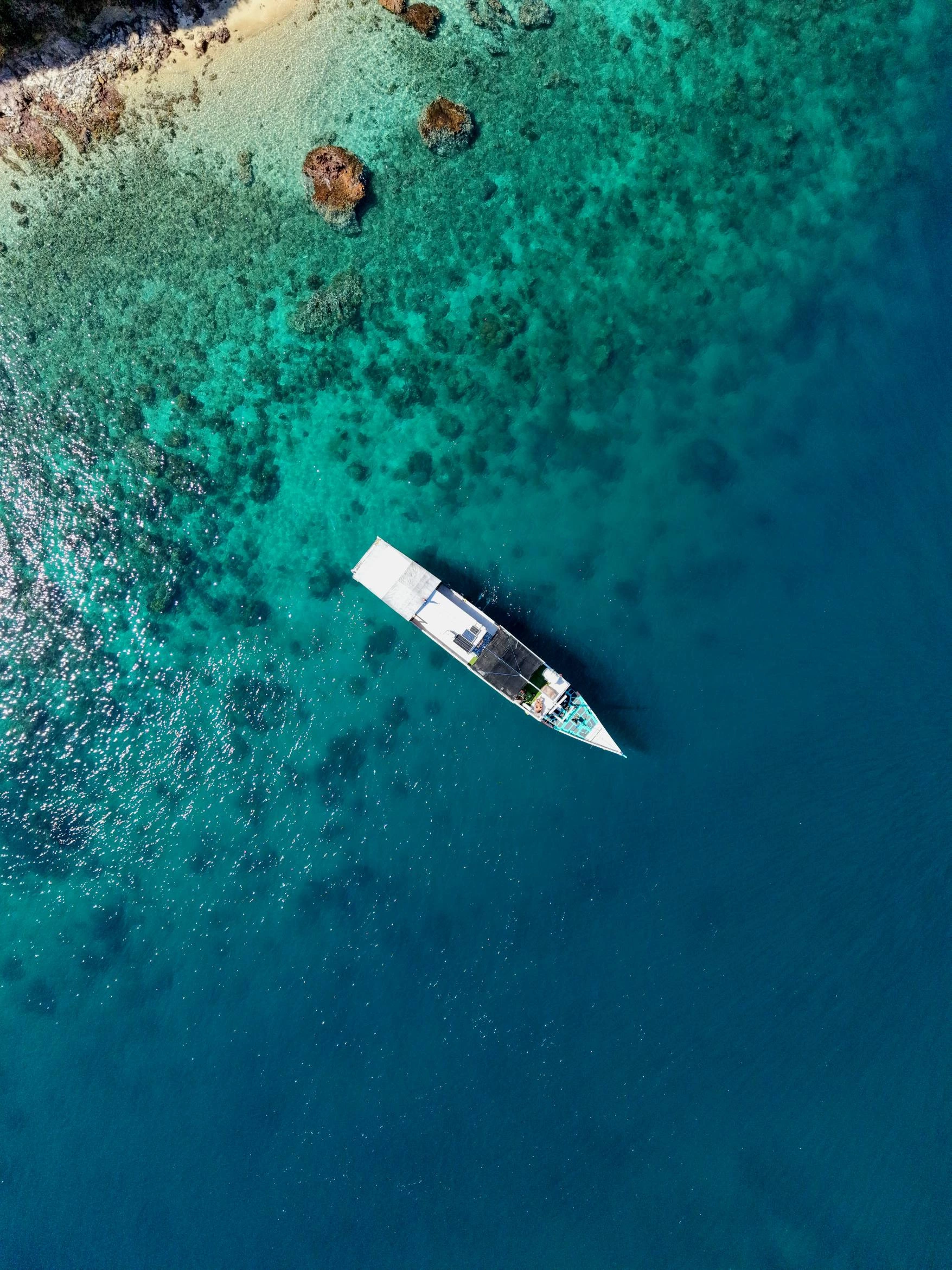
A liveaboard in Komodo National Park is a multi-day boat trip where you sleep, eat and sail from island to island. Departing from Labuan Bajo on Flores, it's a way to discover Komodo's landscapes, beaches and underwater world, as well as see the famous Komodo dragons in their natural habitat.

Read the full recommendation
Labuan Bajo, Flores, Indonesia
Read the related article
Beaches🇮🇩 Komodo, Indonesia
Less open context

A place we recommend in a context where some discretion may feel preferable. This does not mean the venue is discriminatory.

Pink Beach

Pink Beach is one of the most unusual beaches in Indonesia's Komodo National Park. Its distinctive pink sand gets its colour from tiny fragments of red-pigmented marine organisms, including foraminifera, mixed with white sand. Surrounded by dry hills and turquoise water, it's also a lovely place for swimming and snorkelling.

Read the full recommendation
Pink Beach, Komodo Island, Komodo National Park, Indonesia
Read the related article
Activities🇮🇩 Labuan Bajo, Indonesia
Less open context

A place we recommend in a context where some discretion may feel preferable. This does not mean the venue is discriminatory.

Scuba diving in Komodo National Park

Komodo National Park in Indonesia is one of the world's most iconic scuba diving destinations. This UNESCO World Heritage Site lies within the Coral Triangle, renowned for its marine biodiversity. Coral reefs, dramatic walls, rocky formations and drift dives make for incredibly varied underwater scenery. Manta rays, reef sharks, turtles and huge schools of fish are among the highlights. Famous dive sites include Batu Bolong, Manta Point and Castle Rock. Currents can be very strong, so while some sites suit beginners, others require experience.

Read the full recommendation
Komodo National Park, East Nusa Tenggara, Indonesia
Read the related article
View all recommendations

Gallery

Our questions and answers

16
Is Komodo worth it?

Yes, Komodo remains one of the highlights of our trip to Indonesia. Between the landscapes of Padar, the nights on the boat, the underwater scenery, the turtles, sharks, and manta rays we saw while diving, it felt like we were experiencing several trips in one. Not everything was perfect—especially the visit to see the dragons—but overall, it was a truly unforgettable experience.

What is there to do in Komodo National Park?

For us, the best way to explore Komodo is by combining boat trips with underwater activities. During our three-day liveaboard trip, we watched the bats take flight at sunset, climbed Padar before dawn, explored Pink Beach, observed the Komodo dragons, and went snorkeling at Manta Point. We then extended the experience with several dives around the park.

How many days does it take to visit Komodo?

Three days on a liveaboard already allowed us to see so much, but we’re glad we added several more dives afterward. The boat offers a great view of the scenery, the islands, and the iconic wildlife, while the diving really showed us the full richness of the park’s underwater world. For us, Komodo was definitely worth more than just a day trip.

Is a 3-day cruise to Komodo worth it?

Yes, three days on a liveaboard seemed like a great way to explore Komodo. You spend a lot of time on the water, sleep on board, and every day offers a completely different experience—from hiking and beach time to snorkeling and wildlife watching. It was our first liveaboard trip, and the experience gave us a real sense of a journey within a journey.

Is Padar Island worth the trip?

Yes, the view from Padar is just as impressive as we’d imagined. We woke up at 4 a.m. to arrive before sunrise, and then a short hike took us above the three bays. Of course, it was crowded, but the island is big enough to get away from the crowds a bit and really enjoy the scenery.

Should you go to Padar Island at sunrise?

For us, yes. Getting up at 4 a.m. wasn’t necessarily the most appealing part of the day, but watching the hills and the three bays gradually come into view from the summit was well worth the early wake-up call. Even with the crowds, that sunrise remains one of the most memorable sights from our time in Komodo.

Is Pink Beach worth the trip?

Yes, if only to see that truly pink hue amid the very arid landscapes of Komodo. The sand gets its color from tiny red fragments—mainly from coral—mixed in with the white sand. For us, Pink Beach was above all part of that pretty wild succession of very different settings during the liveaboard.

Is it worth seeing the Komodo dragons?

Yes, we’re glad we got to see them once, but it was probably the least memorable part of our trip. Seeing these enormous lizards up close is certainly a unique experience, but the hike—which was advertised as lasting two hours—turned out to be much shorter, with a lot of time spent on explanations and taking photos. It felt more like a highly organized tour than a true wilderness exploration.

Is a visit to see the Komodo dragons too touristy?

In our experience, at any rate, it’s very structured and quite staged. We had imagined more of a walk in search of dragons, whereas the tour seemed much more structured around a few animals, explanations, and photos. It was an interesting experience to try once, but we don’t think we’d do it again.

Can you see manta rays at Manta Point?

Yes, it’s possible, but of course their presence is never guaranteed. During our snorkeling trip at Manta Point, we didn’t see any manta rays, despite the spot’s very promising name. And yet, we found the site exceptional thanks to the thousands of fish, turtles, and sharks all around us.

Is snorkeling at Manta Point worth it even without mantas?

Yes, absolutely. We didn’t see a single manta ray on that trip, but we were literally swimming among thousands of fish, with turtles and sharks all around us. In the end, the absence of manta rays didn’t spoil the experience at all.

Is diving in Komodo worth it?

Yes, and our dives around Komodo were probably even more impressive than the snorkeling. We saw manta rays, sharks, tons of turtles, very colorful reefs, and an incredible abundance of marine life. For us, it was really underwater that Komodo took on a whole new dimension.

Are the currents strong when diving in Komodo?

Yes, we encountered currents that were sometimes quite strong during our dives. They make some dives more intense, but they also contribute to the incredible abundance of marine life that impressed us so much. In our experience, Komodo was anything but a calm dive in a small lagoon.

Can you enjoy Komodo without going diving?

Yes, the liveaboard would have left us with wonderful memories even without the additional dives. Padar, Pink Beach, the dragons, the bats at sunset, and the snorkeling are more than enough to fill several days. The diving simply made the experience even more memorable for us.

Is a liveaboard trip to Komodo a good idea if you get seasick?

In our case, it went very well, but it doesn’t necessarily seem like the best idea if you’re really prone to seasickness. It was our first liveaboard, and during those three days, the sea was very calm and the experience was honestly enjoyable. We were lucky with the conditions, so someone who’s prone to seasickness should definitely keep that in mind before booking multiple nights on a boat.

When is the best time to visit Komodo?

To easily enjoy hiking, boating, and underwater activities, the dry season from April to October is generally the easiest time to visit Komodo. We were there in July 2026: the landscape was very dry, Padar was quite crowded, and the conditions allowed us to enjoy liveaboard trips, snorkeling, and scuba diving without any issues. The Indonesian tourism office notes, however, that July and August coincide with the Komodo dragons’ mating season, during which they may be a bit harder to spot.

Read about our experience in the article.

Read the article